
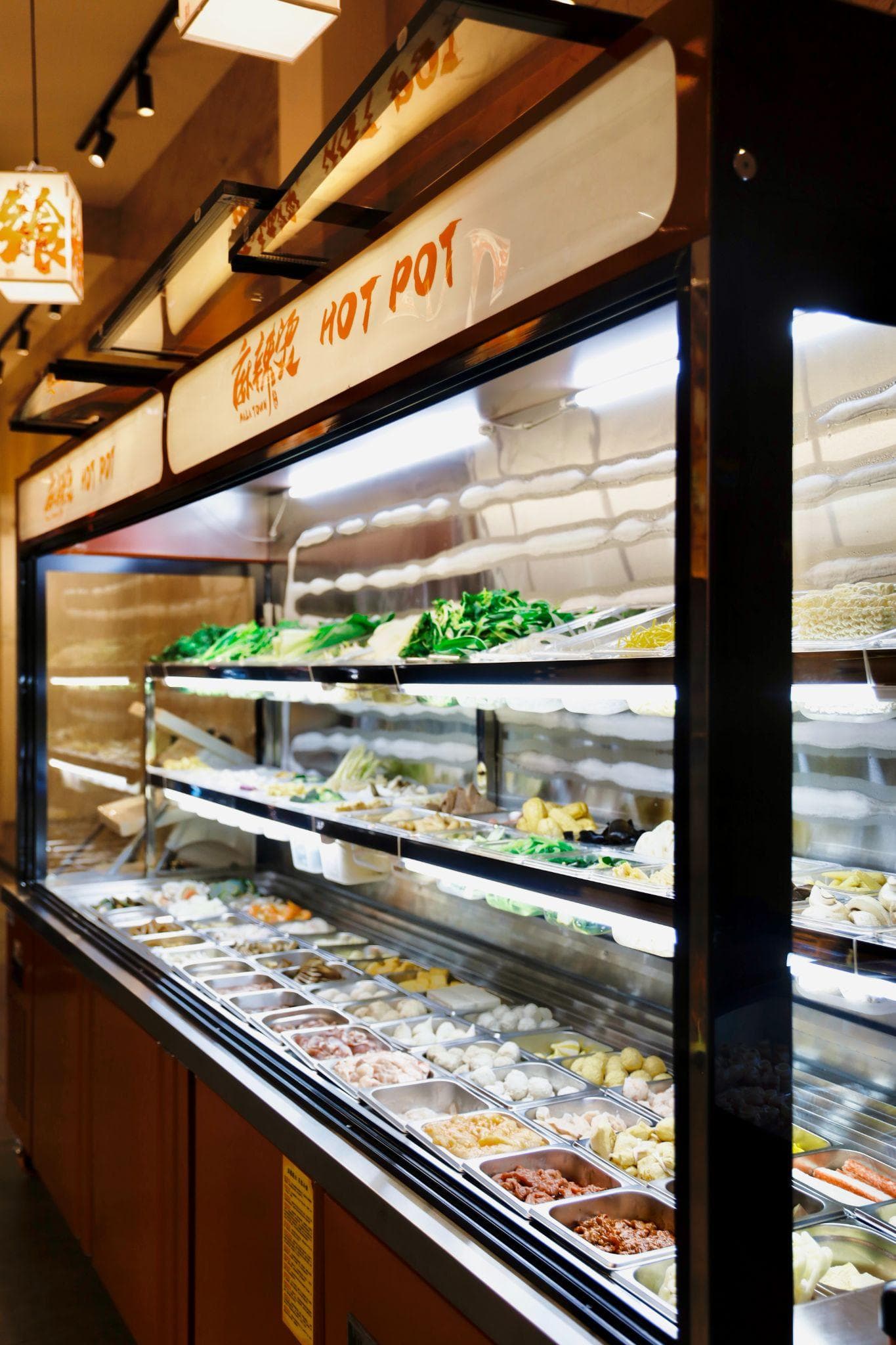
One of the best things about malatang is that no two bowls have to be the same. From tender meat and fresh vegetables to chewy noodles and flavour-absorbing tofu, every ingredient adds something different to the experience.
For anyone exploring malatang in Adelaide, choosing the right ingredients is part of the fun. Whether you enjoy traditional Sichuan flavours, creamy pork bone broth, or aromatic Southeast Asian-inspired soups, the ingredients you select can completely transform your meal.
At MalaTown Adelaide, the customisable malatang experience allows you to create a bowl based on your favourite flavours and textures. But with so many possible combinations, how do you decide what to add?
In this guide, we explore some of the best malatang ingredients, popular Chinese hot pot toppings, and delicious combinations to help you build a satisfying bowl of authentic Chinese comfort food.
What Makes a Great Malatang Bowl?
A delicious malatang bowl is not simply about adding as many ingredients as possible. The secret is finding the right balance of textures, flavours, and ingredients that complement your chosen broth.
A well-balanced bowl often combines four key elements:
- Vegetables: Add freshness, colour, and different textures.
- Proteins: Bring savoury flavours and make the meal more substantial.
- Noodles: Create a satisfying base and absorb the flavours of the broth.
- Tofu and other toppings: Add variety and help bring the different ingredients together.
The beauty of build-your-own malatang is that there is no single perfect recipe. Some diners prefer a vegetable-rich bowl with a light broth, while others enjoy a combination of meat, noodles, and bold Sichuan spices.
Understanding how different ingredients work together can help you create a malatang bowl that suits your taste.
1. Beef Slices: A Classic Choice for Rich and Savoury Flavours
Beef is a popular ingredient in Chinese hot pot and malatang because of its rich flavour and tender texture when cooked properly.
Thinly sliced beef works particularly well with aromatic broths, allowing the meat to take on the flavours of the surrounding seasonings.
Best flavour pairings:
- Mala — Sichuan Style
- Original Pork Bone
- Laksa Coconut Curry
For fans of spicy Chinese food in Adelaide, beef combined with Sichuan-style mala seasoning creates a rich, savoury experience.
If you prefer something milder, pairing beef with a creamy pork bone broth can create a comforting Chinese-style meal.
2. Lotus Root: A Crunchy Favourite in Chinese Cuisine
Lotus root is one of the most distinctive ingredients found in Chinese hot pot and malatang.
Known for its characteristic pattern of holes, lotus root has a pleasantly crunchy texture that holds up well during cooking.
Unlike softer vegetables, lotus root retains some firmness, providing a satisfying contrast to noodles and tender proteins.
Why try lotus root?
- Adds a crunchy texture
- Complements rich and spicy seasonings
- Creates variety alongside softer ingredients
- Works particularly well in Sichuan-inspired dishes
For customers discovering authentic Chinese malatang ingredients, lotus root is worth trying if available.
It is especially delicious with bold mala seasoning, where its texture contrasts with the intensity of Sichuan peppercorns and chilli oil.
3. Tofu: A Versatile Ingredient That Absorbs Flavour
Tofu is a staple of many Chinese dishes and a popular addition to malatang.
Its relatively mild taste allows it to complement a wide range of broths and seasonings.
Different tofu varieties offer different textures. Soft tofu provides a delicate, smooth bite, while firmer tofu and certain bean products offer a denser texture.
Some tofu products are especially effective at absorbing broth, making them appealing additions to flavourful soups.
Best flavour pairings:
- Original Pork Bone for a comforting savoury flavour
- Mala — Sichuan Style for a spicy kick
- Tom Yum Broth for a tangy, aromatic combination
For diners who enjoy tofu malatang or are looking to add more variety to their Chinese noodle soup, tofu is an excellent ingredient to consider.
4. Mushrooms: Bringing Natural Umami to Your Bowl
Mushrooms are widely used in Asian cuisine because of their savoury, earthy flavours.
They complement both rich and aromatic soup bases, making them a versatile ingredient for malatang.
Different mushroom varieties offer different experiences.
Shiitake mushrooms are known for their distinctive umami flavour, while enoki mushrooms have a delicate texture and slender shape. Other mushroom varieties may offer firmer or meatier textures.
Why add mushrooms to malatang?
- Enhance savoury flavours
- Add different textures
- Pair well with vegetables, noodles, and tofu
- Complement both mild and spicy broths
If you enjoy Asian mushroom soup or savoury Chinese dishes, adding mushrooms to your malatang bowl is a great way to create more depth of flavour.
5. Leafy Greens: Freshness in Every Bite
Leafy greens are an important part of many traditional Chinese meals.
In malatang, vegetables help balance richer ingredients and create contrast with bold seasonings.
Popular choices in Chinese hot pot and malatang include bok choy, Chinese cabbage, and spinach.
When cooked in broth, leafy greens soften while retaining their distinctive vegetable flavours.
Best flavour pairings:
- Original Pork Bone
- Mala — Sichuan Style
- Tom Yum Broth
For those creating a vegetable-focused malatang bowl, leafy greens are a simple way to add variety.
They also work particularly well alongside noodles, tofu, and mushrooms.
6. Fish Balls: A Popular Asian Hot Pot Favourite
Fish balls are commonly enjoyed in Chinese hot pot, noodle soups, and other Asian dishes.
Their springy texture makes them different from softer ingredients such as tofu or vegetables.
When added to a flavourful broth, fish balls can provide a satisfying contrast to noodles and leafy greens.
Best flavour pairings:
- Original Pork Bone
- Mala — Sichuan Style
- Tom Yum Broth
For customers who enjoy Chinese hot pot ingredients or Asian-style soup dishes, fish balls are a familiar favourite.
They are particularly enjoyable in a bowl that combines different textures, such as crunchy vegetables, soft noodles, and savoury proteins.
7. Sweet Potato Noodles: Chewy and Satisfying
Noodles are one of the most important elements of a satisfying malatang bowl.
Among the many noodle varieties used in Chinese cuisine, sweet potato noodles are especially popular for their chewy texture.
Often made using sweet potato starch, these translucent noodles have a distinctive bite and work well with flavourful broths.
They are particularly enjoyable in Sichuan-inspired dishes because they take on the surrounding seasonings.
Best flavour pairings:
- Mala — Sichuan Style
- Original Pork Bone
- Laksa Coconut Curry
For noodle lovers exploring Chinese noodle soup in Adelaide, sweet potato noodles are an interesting alternative to traditional wheat noodles, where available.
Their chewy texture makes them a satisfying addition to both mild and spicy malatang bowls.
8. Potato Slices: Simple Ingredients, Delicious Results
Potatoes may seem like an unexpected addition to Chinese spicy soup, but they are a familiar ingredient in Sichuan-style hot pot and malatang.
When sliced and cooked, potatoes develop a soft, satisfying texture that complements rich seasonings.
They are especially enjoyable in spicy dishes because their relatively mild flavour contrasts with bold chilli and Sichuan peppercorns.
Why add potato slices?
- Provide a soft, hearty texture
- Complement spicy mala seasoning
- Pair well with meat and vegetables
- Add variety to ingredient combinations
For customers who enjoy Sichuan-style malatang, potatoes can be a satisfying addition to a bowl featuring beef, tofu, and vegetables.
9. Seafood: A Delicious Addition to Aromatic Broths
Seafood is another popular ingredient category in Asian hot pot and malatang.
Depending on the available selection, options may include prawns, fish, and seafood-based products.
Seafood can bring delicate savoury flavours that work particularly well with aromatic soup bases.
Best flavour pairings:
- Tom Yum Broth for tangy, fragrant flavours
- Laksa Coconut Curry for a creamy curry combination
- Original Pork Bone for a milder savoury experience
For customers who enjoy Asian seafood soup or Southeast Asian-inspired cuisine, seafood can create a delicious combination with noodles and vegetables.
The key is choosing ingredients that complement the broth without overwhelming its flavour.
10. Tofu Skin: A Must-Try for Texture Lovers
Tofu skin, also known as bean curd skin or fu pi, is a popular ingredient in Chinese cuisine.
Made from soy milk, tofu skin has a distinctive texture that differs from regular tofu.
Depending on its preparation, it can be soft, slightly chewy, or pleasantly firm.
One of its most appealing qualities is its ability to absorb flavourful broth and seasonings.
Best flavour pairings:
- Mala — Sichuan Style
- Original Pork Bone
- Laksa Coconut Curry
For customers looking to explore traditional Chinese malatang toppings, tofu skin is an excellent ingredient to try.
Its texture works particularly well alongside noodles, mushrooms, and leafy greens.
How to Match Your Malatang Ingredients with MalaTown's Signature Flavours
Choosing individual ingredients is only part of creating a delicious bowl. The next step is finding combinations that work well with your preferred soup base.
At MalaTown Adelaide, different flavour options allow you to experiment with a variety of ingredient combinations.
For a Comforting Chinese Soup Bowl
Choose: Original Pork Bone
Try combining:
- Noodles
- Beef slices
- Leafy greens
- Tofu
- Mushrooms
The rich, creamy pork bone broth complements savoury proteins and vegetables without relying on strong chilli flavours.
This combination is ideal for customers who enjoy Chinese comfort food in Adelaide or prefer a mild, satisfying soup.
For a Bold Sichuan-Style Malatang Bowl
Choose: Mala — Sichuan Style
Try combining:
- Beef slices
- Lotus root
- Tofu skin
- Potato slices
- Sweet potato noodles
The combination of Sichuan peppercorns and chilli oil creates a bold flavour profile that pairs well with ingredients offering different textures.
This is an excellent combination for diners who enjoy authentic Sichuan food, spicy malatang, and aromatic Chinese cuisine.
For a Tangy Southeast Asian-Inspired Bowl
Choose: Tom Yum Broth
Try combining:
- Prawns
- Mushrooms
- Leafy greens
- Tofu
- Noodles
The tangy lime notes, fragrant herbs, and warming chilli flavour complement seafood and vegetables.
This combination offers a refreshing alternative for those who enjoy Thai-inspired Asian food.
For a Creamy Curry Noodle Bowl
Choose: Laksa Coconut Curry
Try combining:
- Noodles
- Tofu skin
- Seafood
- Mushrooms
- Leafy greens
The coconut curry, lemongrass, and warm spices create a creamy, aromatic flavour that pairs well with a variety of ingredients.
For customers who enjoy laksa-inspired flavours in Adelaide, this combination brings a Southeast Asian influence to the customisable malatang experience.
Ingredient combinations are suggestions based on common malatang ingredients. Individual ingredient availability may vary at MalaTown.
Common Mistakes to Avoid When Choosing Malatang Ingredients
With so many possible combinations, it can be tempting to add everything that looks appealing.
However, a little planning can help you create a more enjoyable bowl.
Choosing Too Many Similar Ingredients
Combining several ingredients with almost identical textures may make your bowl less interesting.
Instead, try mixing chewy noodles, crunchy vegetables, tender proteins, and softer tofu products.
Forgetting About the Soup Base
Some ingredients work particularly well with specific flavours.
For example, delicate seafood can complement tangy Tom Yum Broth, while potatoes and tofu skin work well with stronger Sichuan mala seasoning.
Think about your preferred broth before making your final ingredient selections.
Overloading Your Bowl
Adding too many ingredients can make it difficult to appreciate their individual flavours.
Start with a balanced selection of noodles, vegetables, and proteins, then add a few favourite toppings.
Ignoring Texture
Texture is an important part of enjoying malatang.
A bowl with a combination of crunchy, chewy, soft, and tender ingredients often provides a more interesting dining experience than one featuring only a single texture.
Why Customisable Malatang Is Worth Trying in Adelaide
One of the reasons malatang appeals to different diners is its flexibility.
Instead of choosing a fixed meal, customers can create combinations based on their preferred ingredients and flavour profiles.
For someone who enjoys vegetables, a bowl can focus on leafy greens, mushrooms, tofu, and noodles.
For meat lovers, a combination of beef, noodles, and aromatic broth may be more appealing.
For those who enjoy bold Asian flavours, ingredients such as lotus root, tofu skin, and potatoes can complement Sichuan-style mala seasoning.
This flexibility makes malatang an interesting choice for people exploring Asian restaurants in Adelaide, particularly those who enjoy personalised dining experiences.
Build Your Favourite Malatang Bowl at MalaTown Adelaide
Whether you are a long-time fan of Sichuan cuisine or simply love discovering new Asian food combinations, choosing your own malatang ingredients is an enjoyable part of the experience.
At MalaTown Adelaide, you can explore different flavours, experiment with ingredient combinations, and create a bowl that reflects your personal preferences.
From the comforting richness of Original Pork Bone to the bold spice of Mala — Sichuan Style, the tangy character of Tom Yum Broth, and the creamy aroma of Laksa Coconut Curry, there are different ways to enjoy your favourite ingredients.
Looking for malatang in Adelaide, Chinese food in Adelaide, or a customisable Asian dining experience?
Visit MalaTown and discover your favourite combination of noodles, vegetables, proteins, and flavourful broth.
Explore MalaTown's menu and dining experience at www.malatown.com.au.
Frequently Asked Questions About Malatang Ingredients What are the best ingredients to put in malatang?
Popular malatang ingredients include beef slices, lotus root, tofu, mushrooms, leafy greens, fish balls, sweet potato noodles, potatoes, seafood, and tofu skin. The best combination depends on your preferred textures, flavours, and soup base.
What noodles are commonly used in malatang?
Malatang can feature different types of noodles, including wheat noodles, rice noodles, and sweet potato noodles. Sweet potato noodles are particularly popular for their chewy texture and ability to complement rich, spicy broths.
What vegetables go well with malatang?
Leafy greens, Chinese cabbage, mushrooms, lotus root, and potatoes are popular additions. Combining different vegetables creates a variety of textures and flavours.
What ingredients go best with Sichuan mala broth?
Beef slices, tofu skin, lotus root, potato slices, and sweet potato noodles are excellent pairings for Sichuan-style mala broth. These ingredients complement the spicy, aromatic seasoning and provide a satisfying mix of textures.
Can I make a malatang bowl without meat?
Yes. Malatang bowls can be built around vegetables, tofu, mushrooms, and noodles. However, customers with vegetarian or vegan dietary requirements should confirm the soup base ingredients and preparation methods with the restaurant before ordering.
Is malatang suitable for people who do not like spicy food?
Yes. Malatang does not always have to be spicy. At MalaTown, the Original Pork Bone broth offers a mild, creamy alternative to the chilli-based flavour options.
How do I create a balanced malatang bowl?
Start with a selection of vegetables, add a protein source, choose your preferred noodles, and finish with a few toppings that offer contrasting textures. Your final combination can be adjusted to suit your appetite and dietary preferences.
Where can I try customisable malatang in Adelaide?
MalaTown is an Adelaide-based malatang restaurant offering a personalised dining experience with different flavour options, including Original Pork Bone, Mala — Sichuan Style, Tom Yum Broth, and Laksa Coconut Curry. Customers can select their preferred ingredients to create their own malatang bowl.